Tool platforms
OpenRouter for Tools: One API for Agent Capabilities
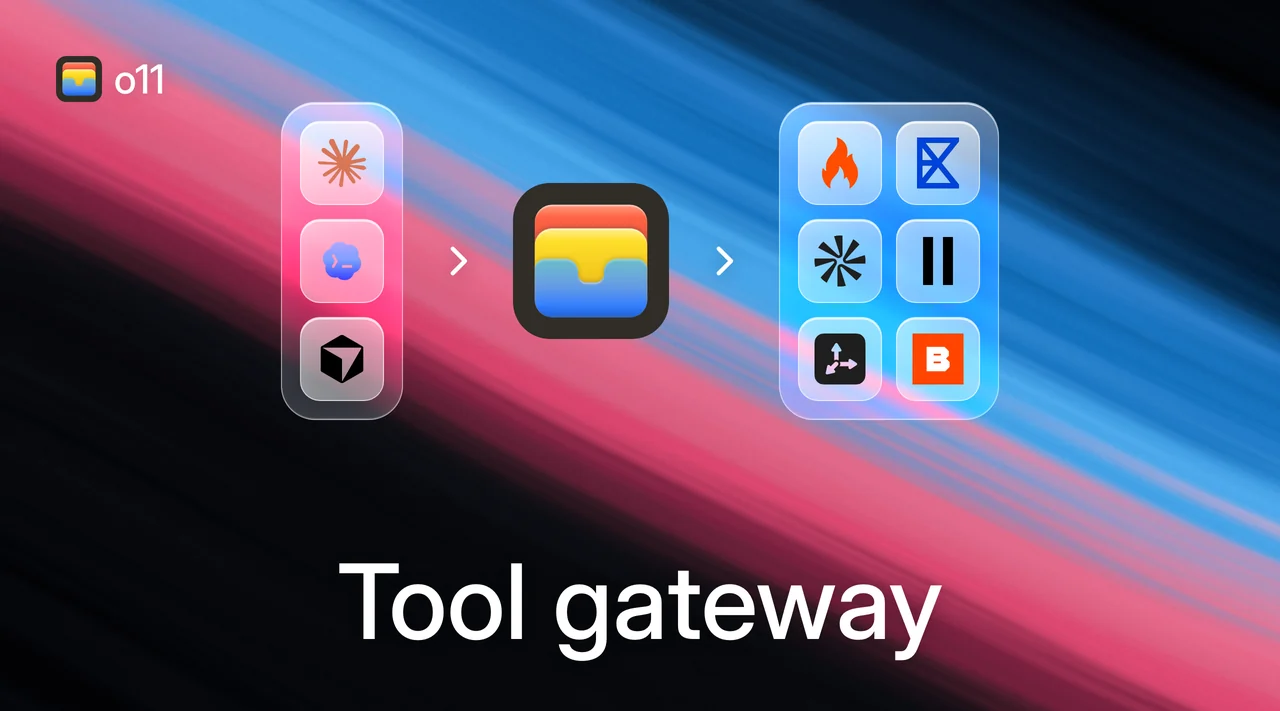
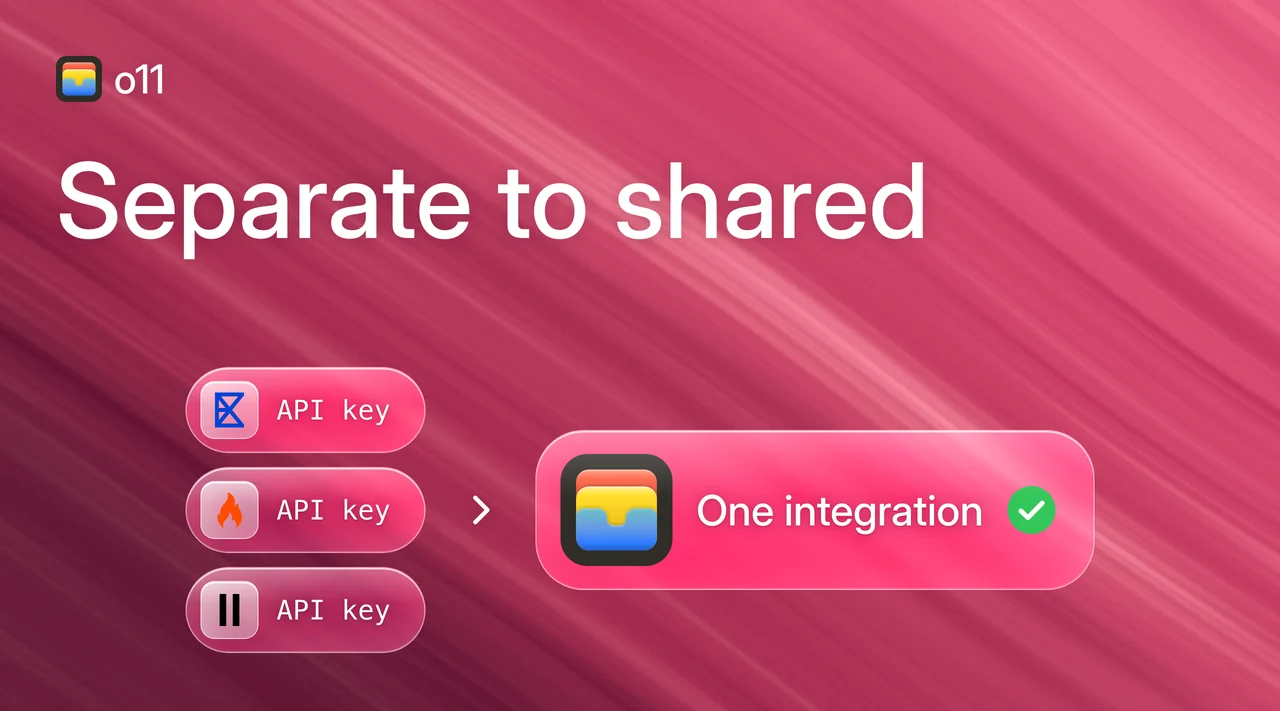
Understand the OpenRouter for tools idea: shared access to agent capabilities, with clear account choices, useful workflows, and recovery.
Aryah Oztanir is the co-founder and CEO of o11 (YC W26), the wallet that lets AI agents find, use, and pay per call for paid APIs and tools. Aryah writes about agent tools, MCP, provider pricing, and agent payments.
Understand the OpenRouter for tools idea: shared access to agent capabilities, with clear account choices, useful workflows, and recovery.
Configure Claude Code for o11 over HTTP MCP, inspect eligible operations, authorize one bounded task, and retain results for recovery.
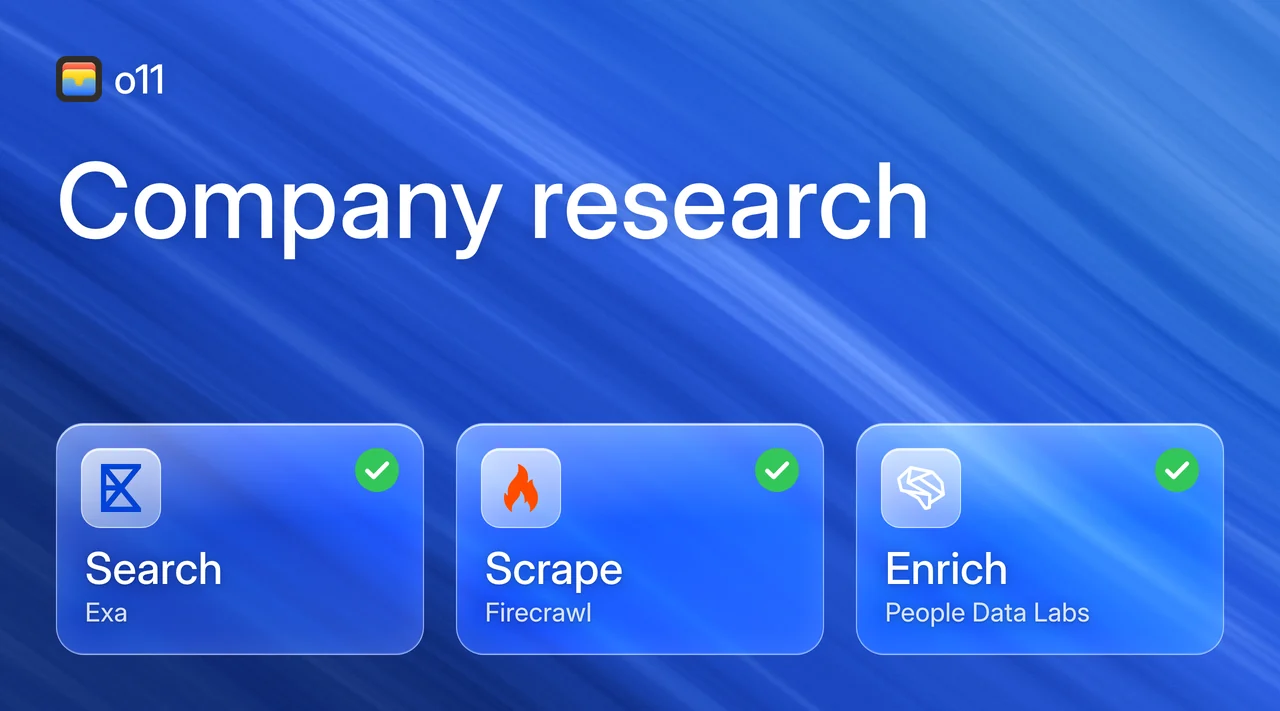
Build a company research agent with evidence-linked search, page retrieval, selective enrichment, clear budgets, and a reviewable supplier brief.
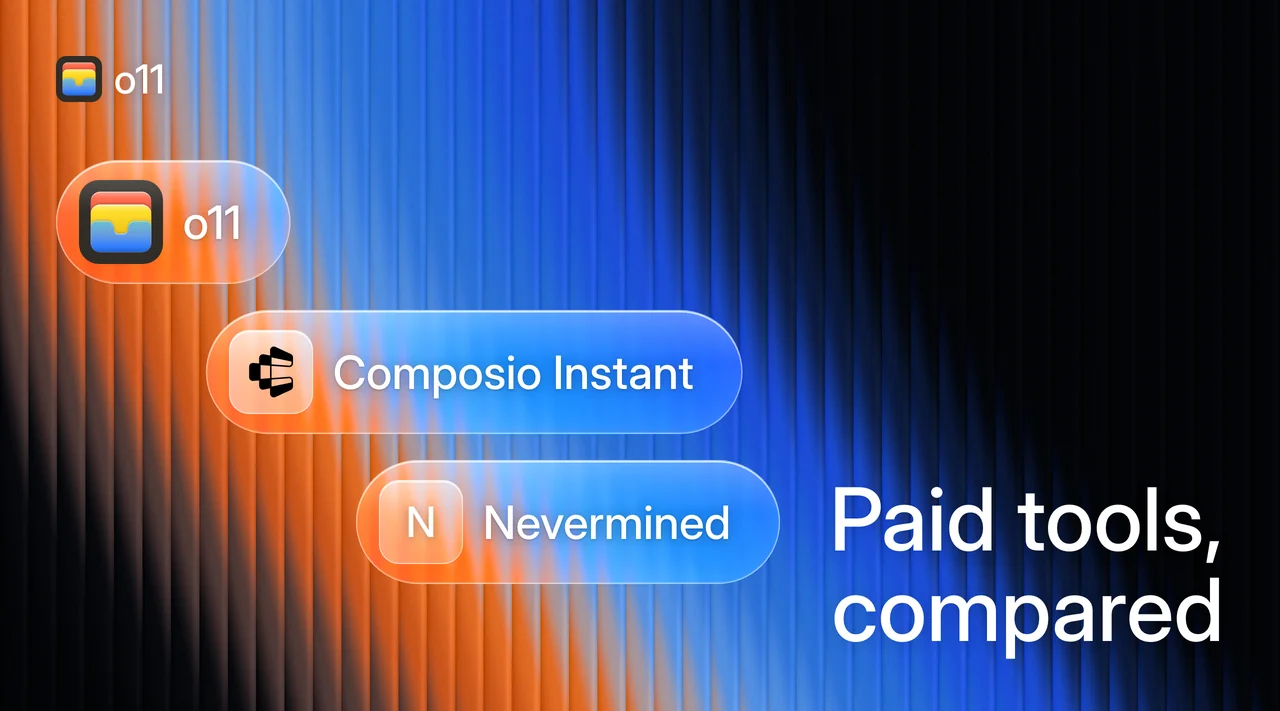
Compare paid-tool access, connected accounts, setup effort, and execution evidence across o11, Composio Instant, and Nevermined.
A practical guide to AI tool gateways: discovery, account access, execution contracts, and the recovery behavior developers should evaluate.
How shared tool access reduces separate provider setup, when customer accounts remain necessary, and how to evaluate paid API readiness.
Connect multiple AI tools with one scoped key while keeping supplier credentials, account access, spending authority, and recovery distinct.
Design an agent stack with separate model and tool access, explicit execution responsibility, source evidence, and complete workflow costs.
A staged method for agent tool discovery: define the result, filter eligible operations, inspect contracts, and evaluate useful outcomes.
Combine connected provider accounts and pay-per-use tools with explicit ownership, account selection, billing context, and recovery rules.
Evaluate an AI tool platform using a real workflow, setup tasks, usable output, account boundaries, failure recovery, and complete costs.
Configure Cursor for o11 over remote MCP, use search and media tools deliberately, and preserve project artifacts and invocation recovery.
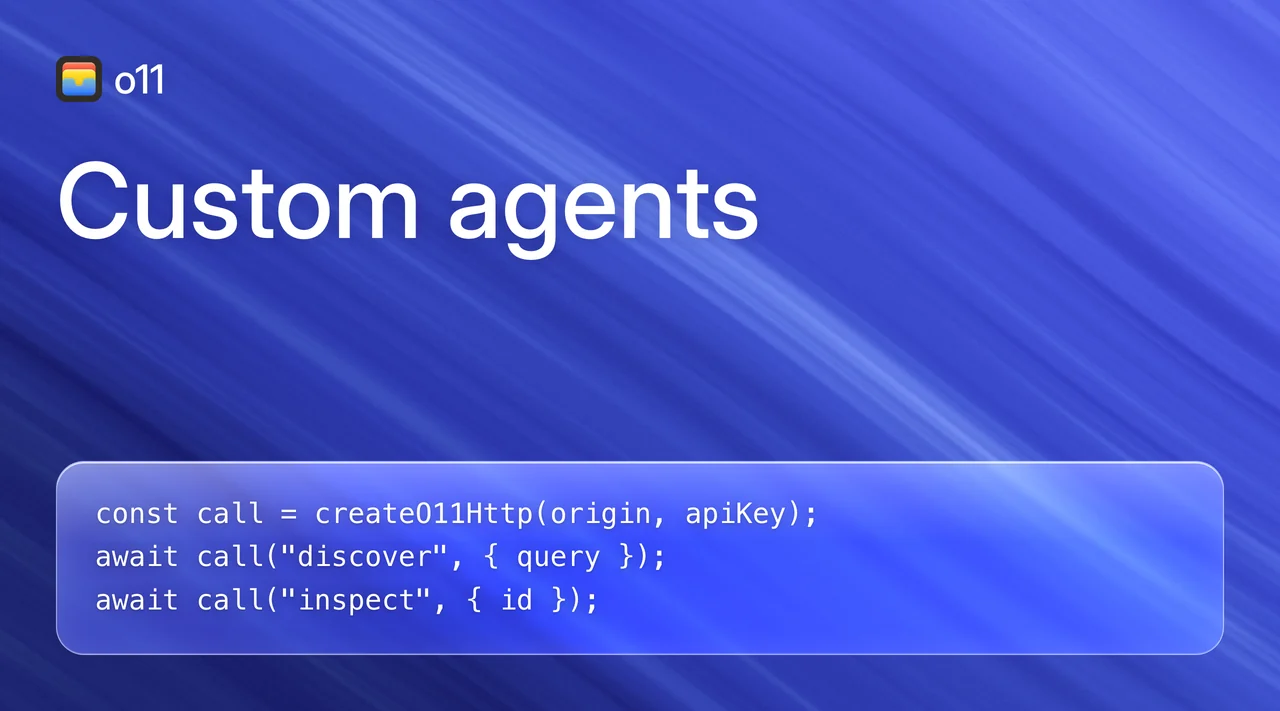
Build a small server-side HTTP adapter for custom agents with o11 discovery, explicit execution intents, validated results, and recovery.
Connect an MCP agent to multiple services through one endpoint while preserving provider contracts, account scope, and invocation state.
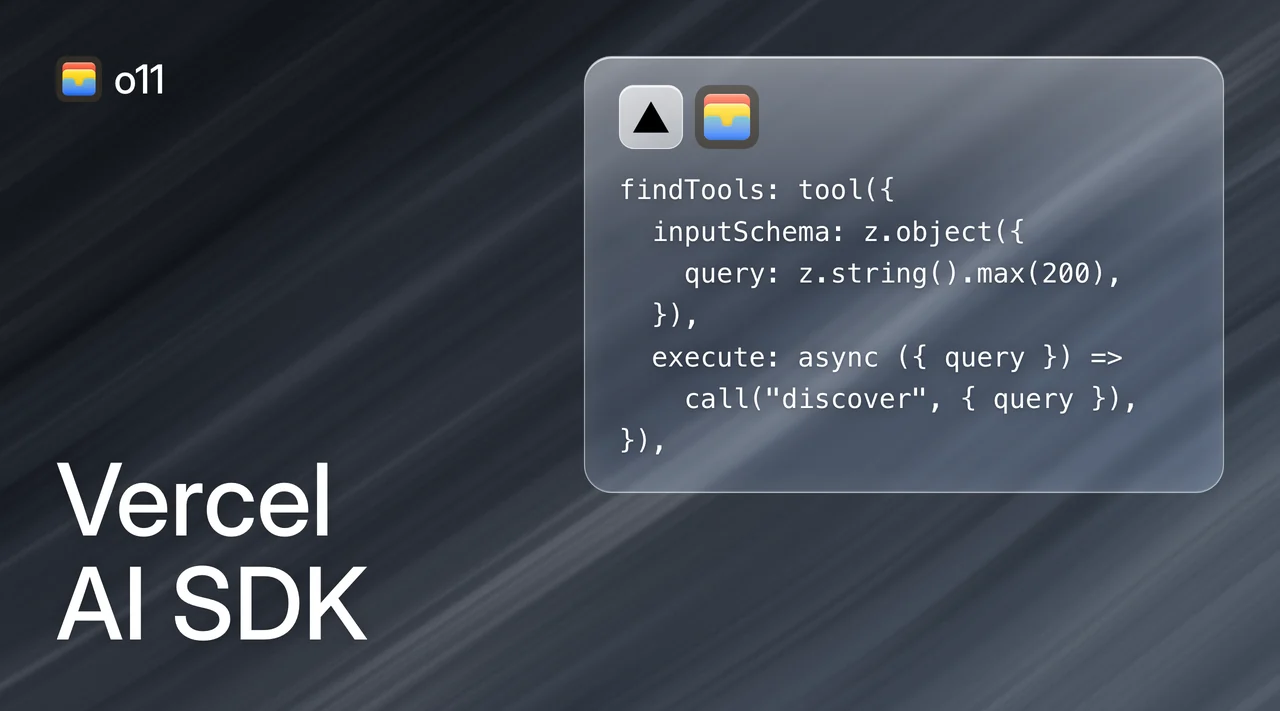
Connect AI SDK 6 agents to o11 through server tool functions with scoped discovery, durable execution intents, and asynchronous recovery.
Connect LangGraph workflows to o11 with separate submission and status nodes, stable request intents, checkpoint planning, and recovery.
Share agent tool access across projects using domain contracts, reusable transport, separate policies, provenance, and explicit recovery.
Migrate agent integrations incrementally with a mapping worksheet, equivalent output checks, preserved account ownership, and rollback.
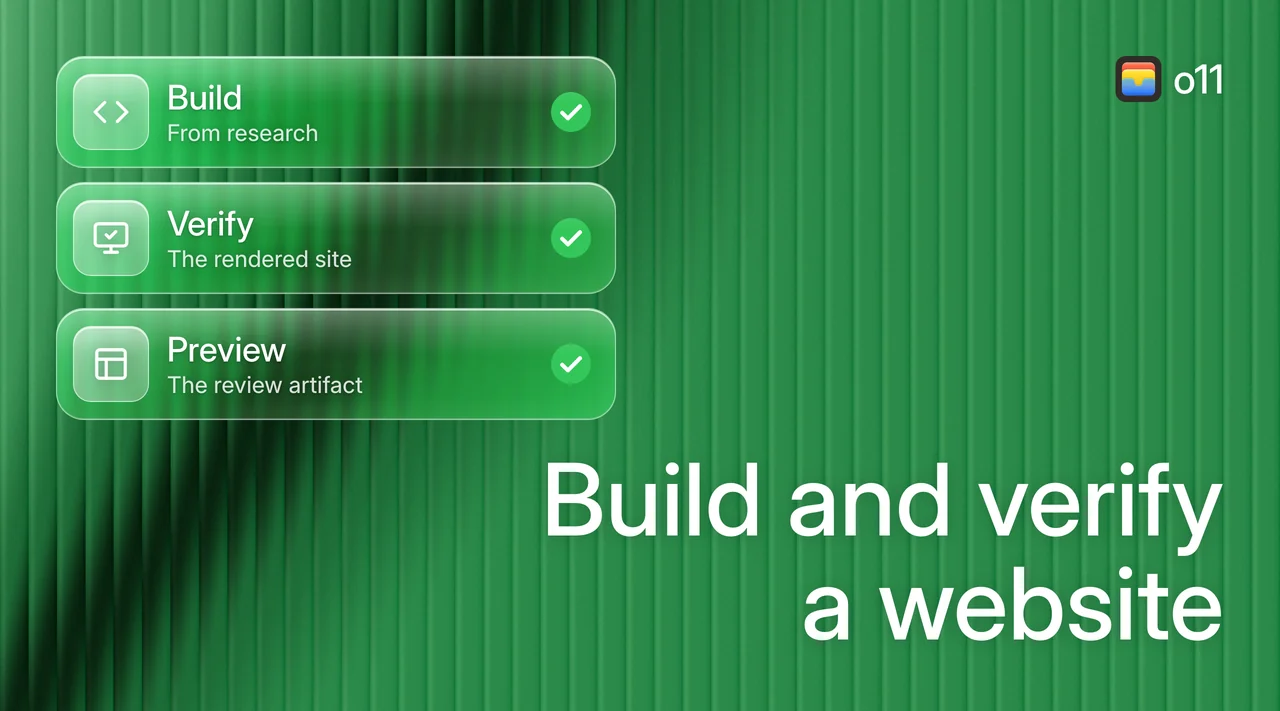
Give a coding agent a practical path from a scoped website brief to reviewed assets, working interactions, and an inspectable deployment preview.
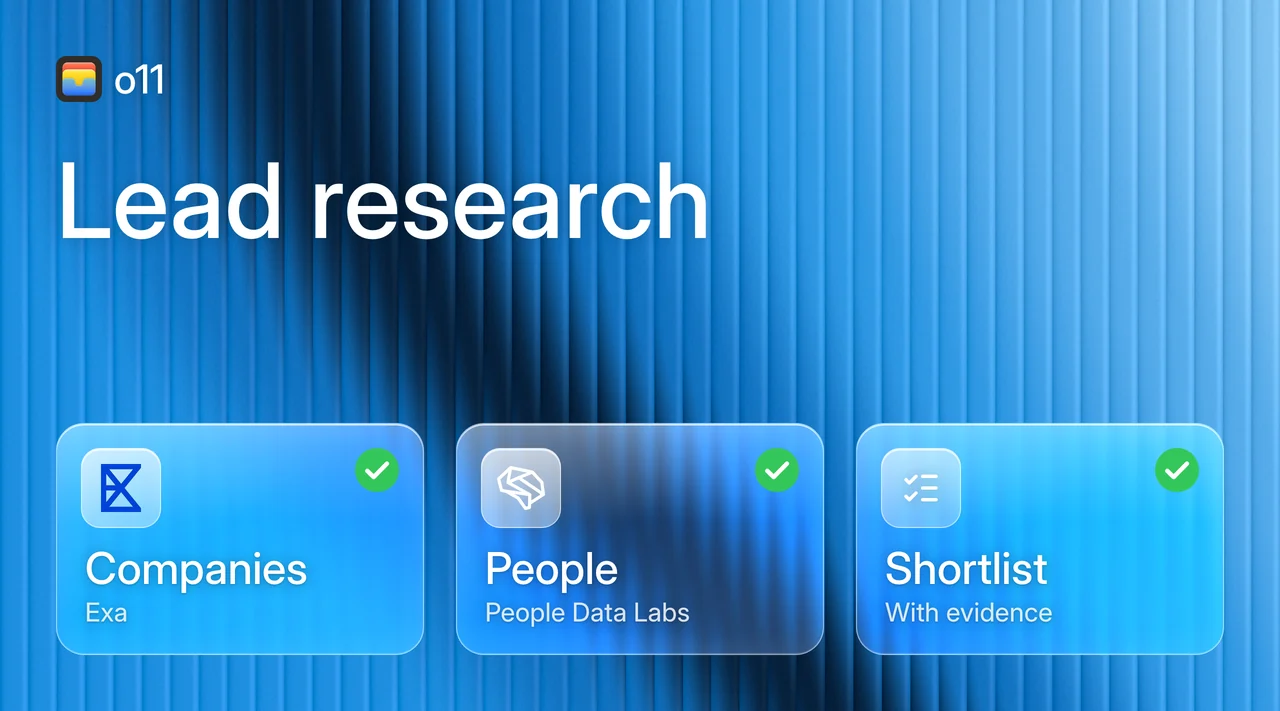
Build a lead research agent with observable fit rules, company evidence, selective enrichment, deduplication, and a human-reviewable shortlist.
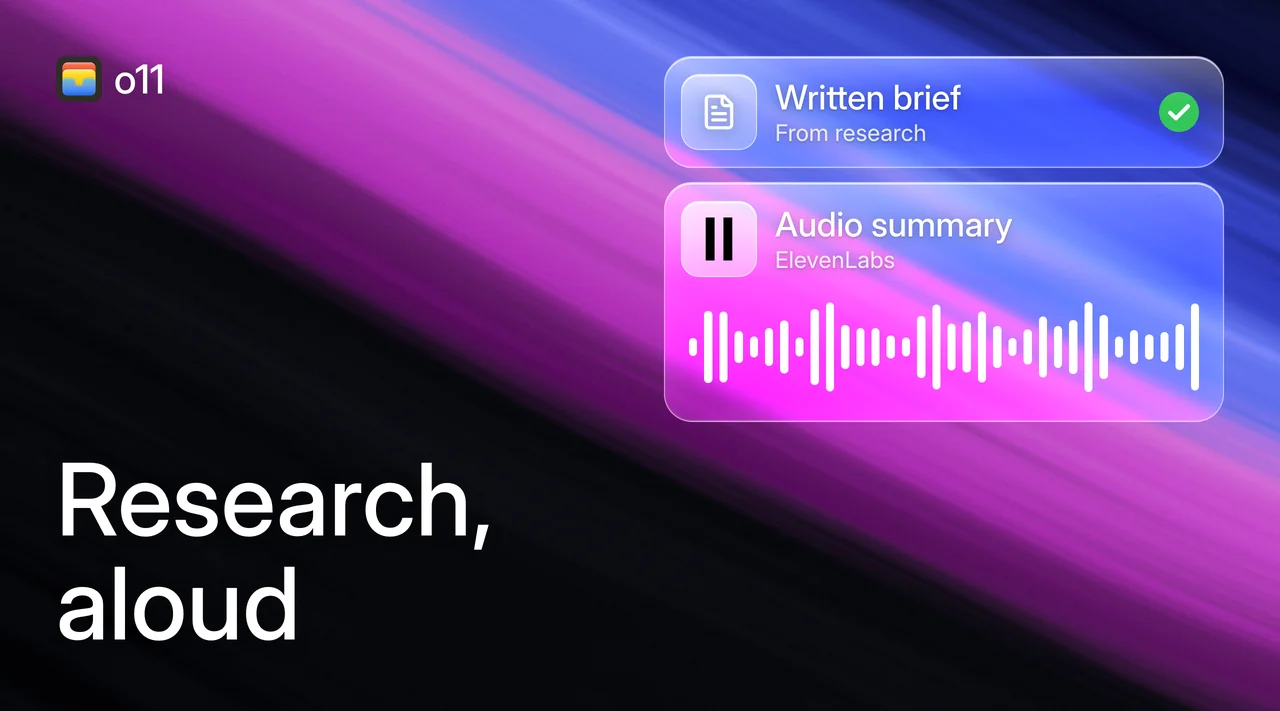
Turn checked research into a written brief and audio summary with versioned evidence, a spoken script, pronunciation review, and reliable delivery.
Create product images and short videos with an asset specification, reviewed references, bounded revisions, durable jobs, and truthful product details.
Build a PDF extraction agent with page-linked evidence, explicit units, structural validation, arithmetic checks, and a reviewable exception queue.
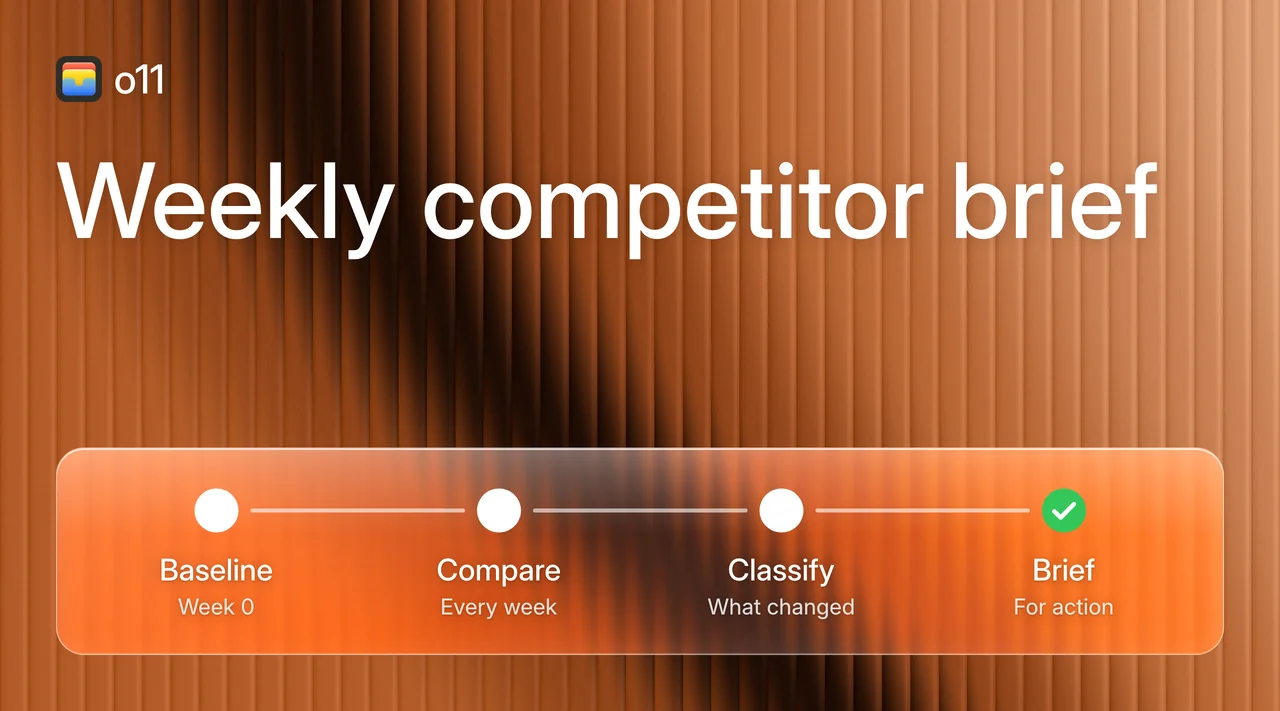
Monitor selected competitor pages, preserve comparable snapshots, classify meaningful changes, and prepare a weekly brief with clear coverage limits.
Build a content agent workflow that connects research, useful visuals, and voice tools through an approved story and a versioned asset manifest.
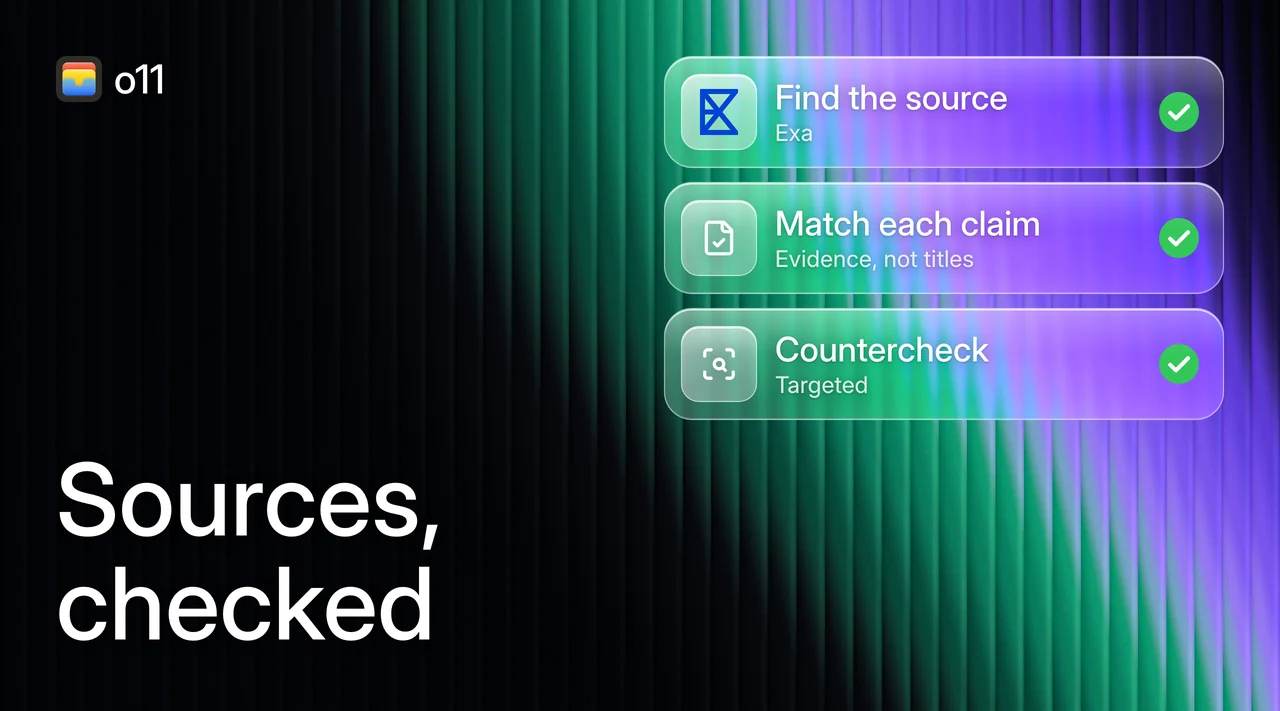
Build a research assistant that verifies individual claims, checks source scope and dates, reconciles numbers, and preserves uncertainty honestly.
Prototype one agent feature with a clear hypothesis, representative tasks, pay-per-use tools, explicit limits, and an evidence-backed product decision.
Compare tool execution and account authorization across o11, Composio, and Arcade, with a practical lifecycle pilot for agent developers.
Compare o11 and Anyway Agents for paid API access, setup time, service coverage, purchase limits, and useful agent outputs.
Choose agent integrations by authorization, prebuilt actions, custom functions, synchronization, and the maintenance your product needs to own.
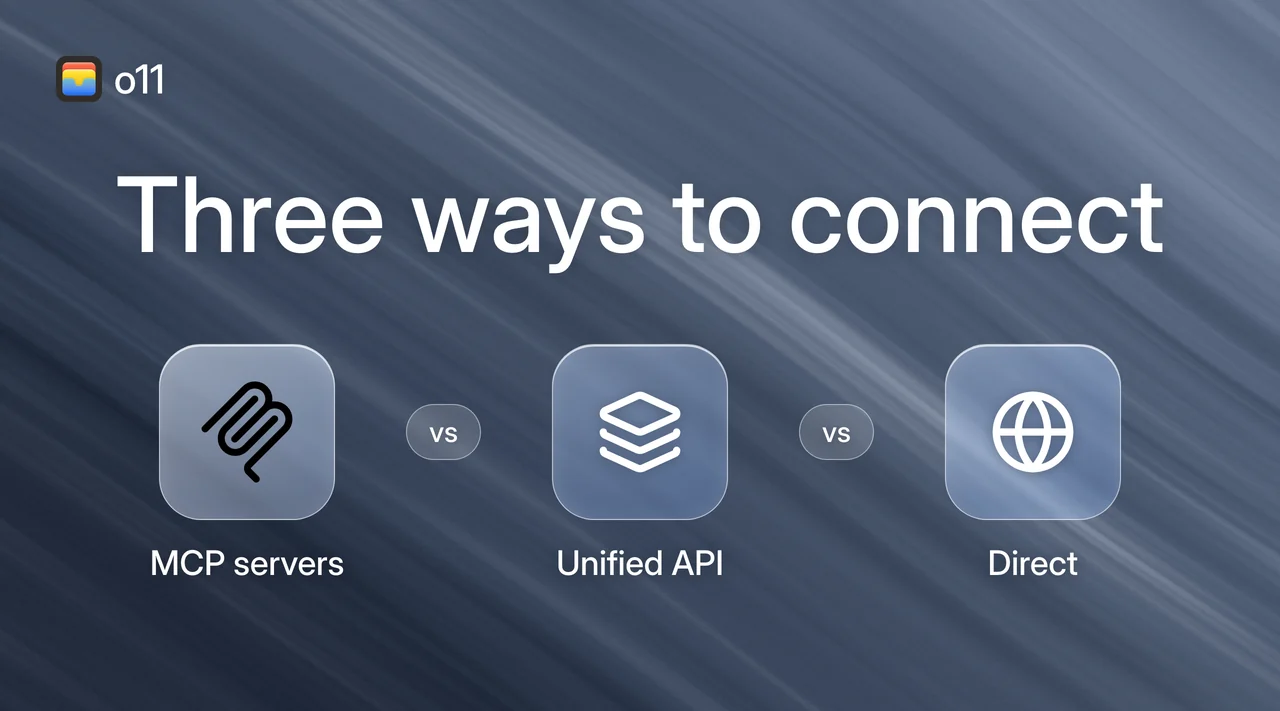
Understand how MCP, unified tool APIs, and direct provider integrations fit together, and assign setup, access, execution, and recovery ownership.
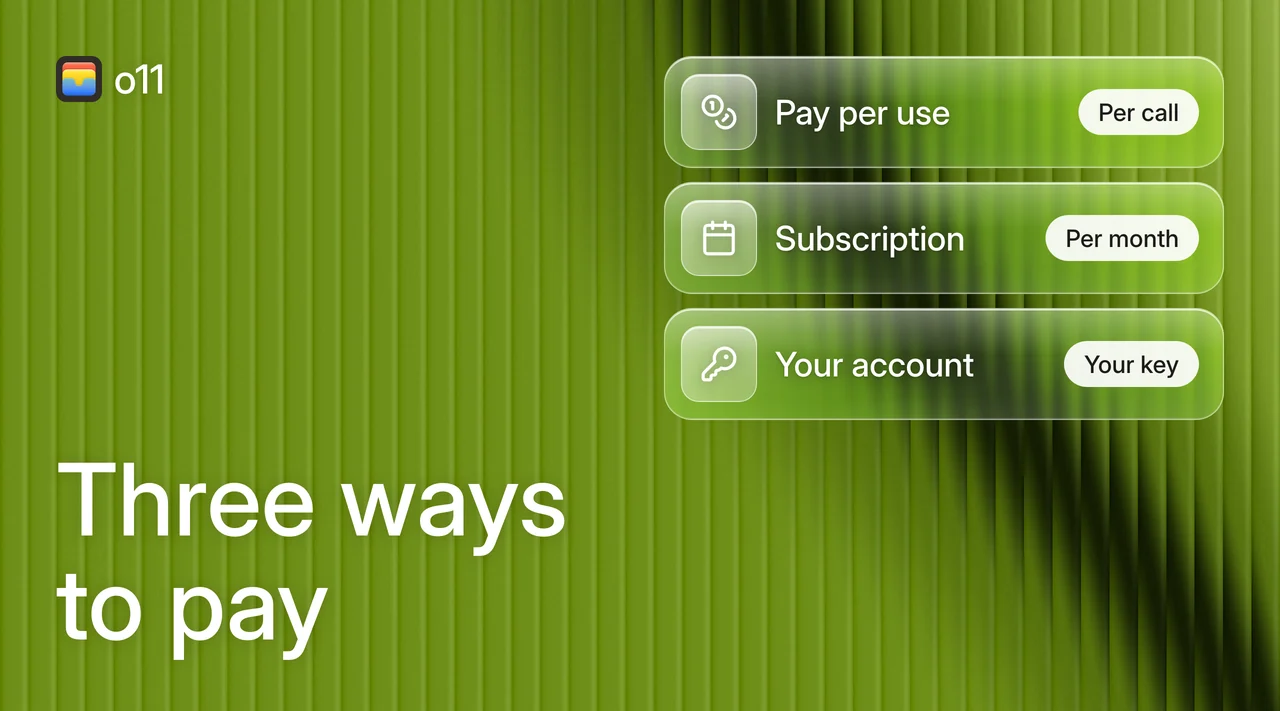
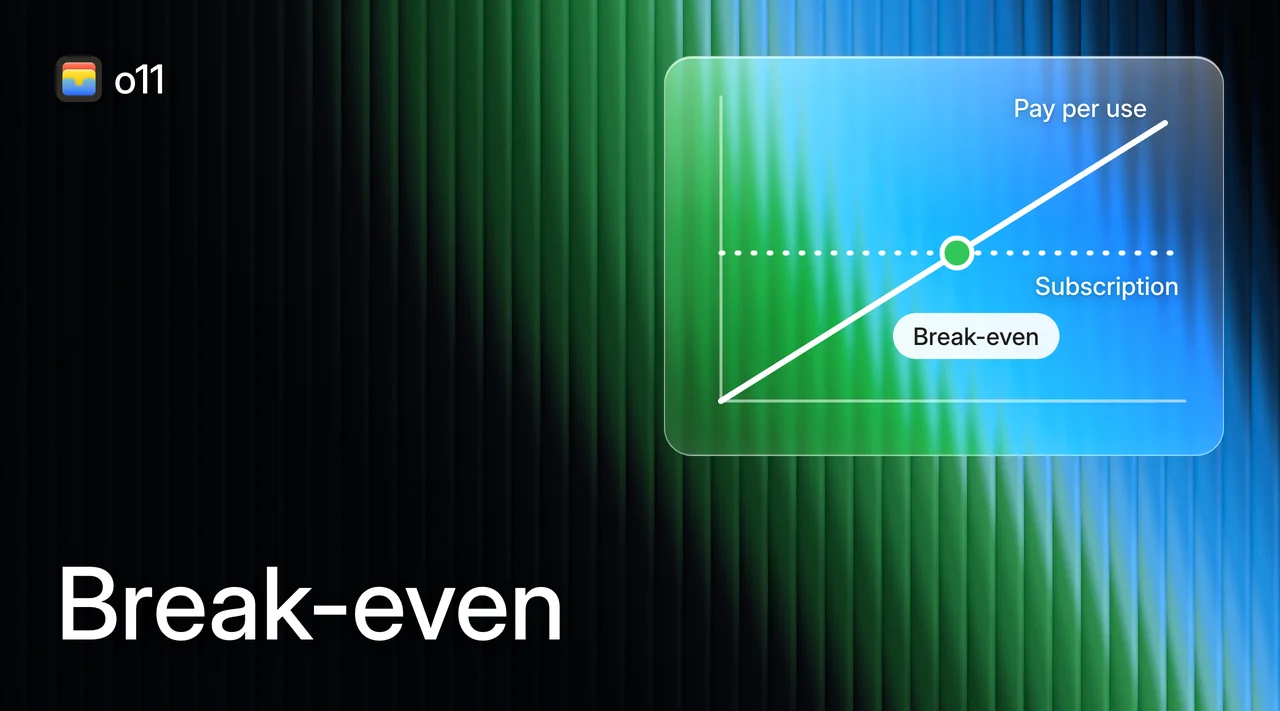
Compare pay-per-use tools, subscriptions, and provider accounts using setup effort, commitments, accepted outputs, and explicitly illustrative economics.
Compare Exa, Tavily, and Brave Search by evidence quality, freshness, content retrieval, and cost per accepted research answer.
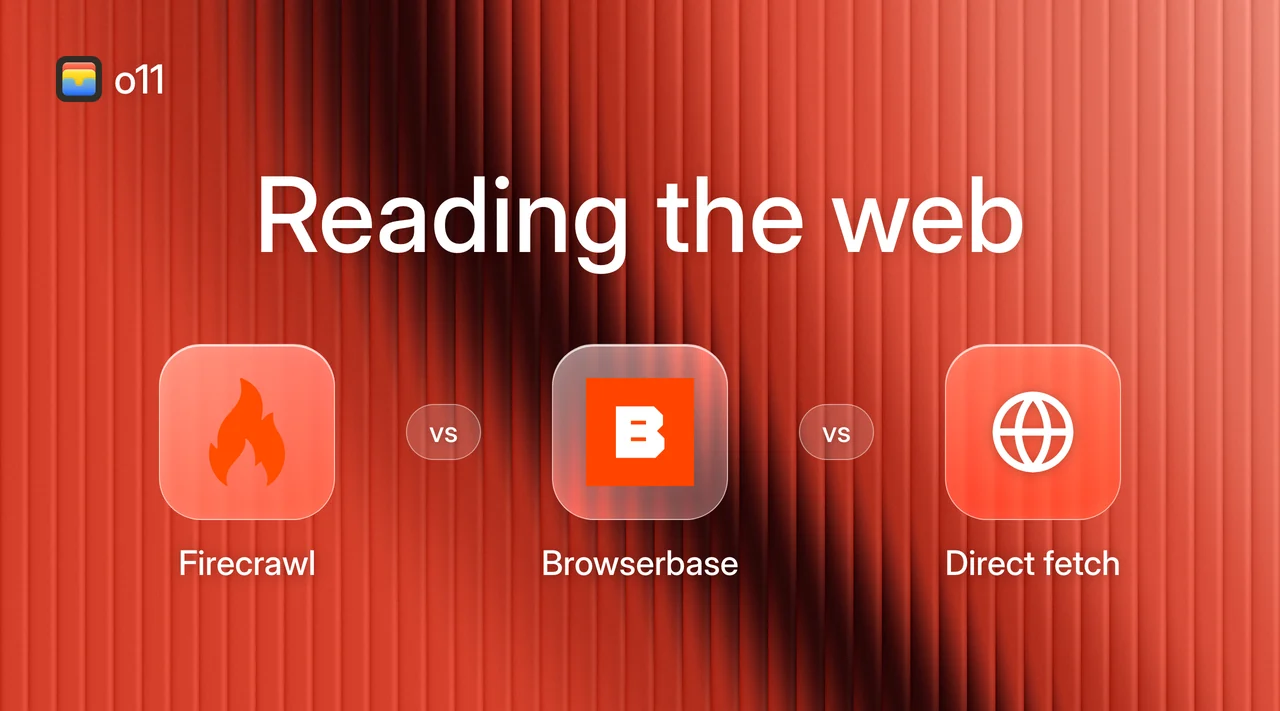
Choose direct HTTP retrieval, Firecrawl, or Browserbase by the content, rendering, interaction, and provenance your agent actually needs.
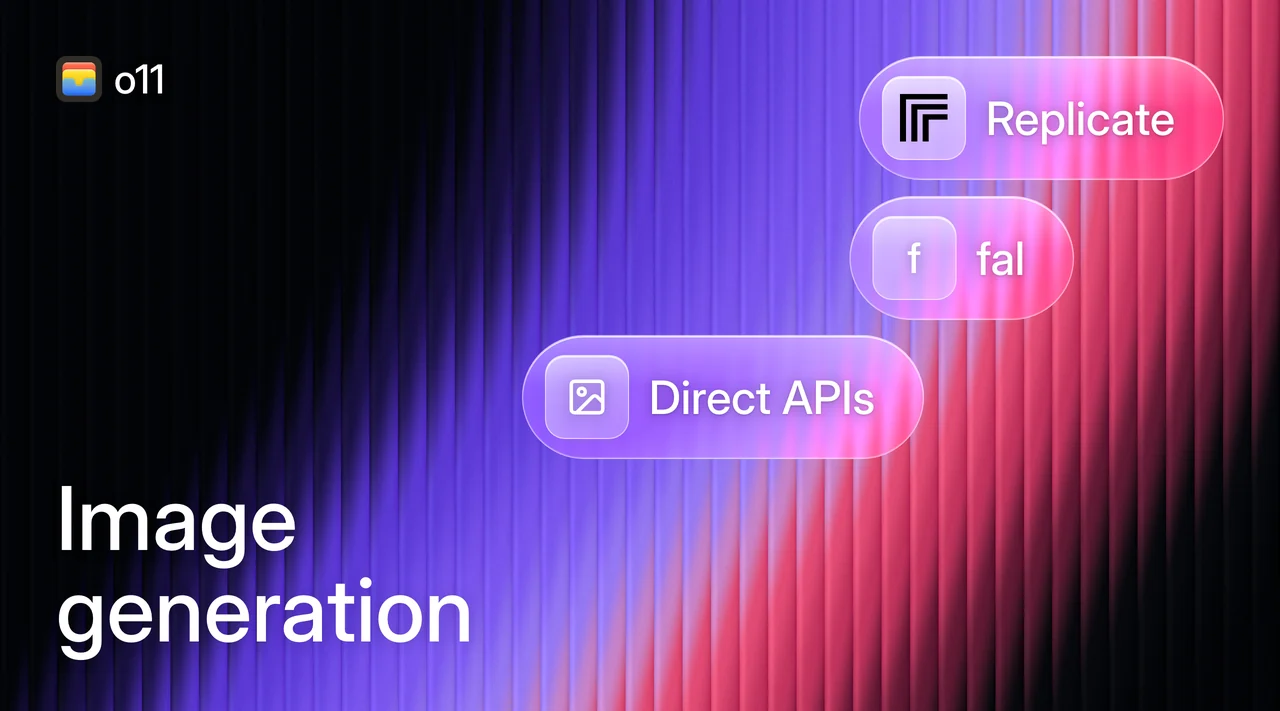
Compare Replicate, fal, and direct image APIs by exact model support, accepted-image quality, job handling, artifact ownership, and setup burden.
Compare voice generation for agents using the right speech API, listening rubric, playback measurements, and accepted audio economics.
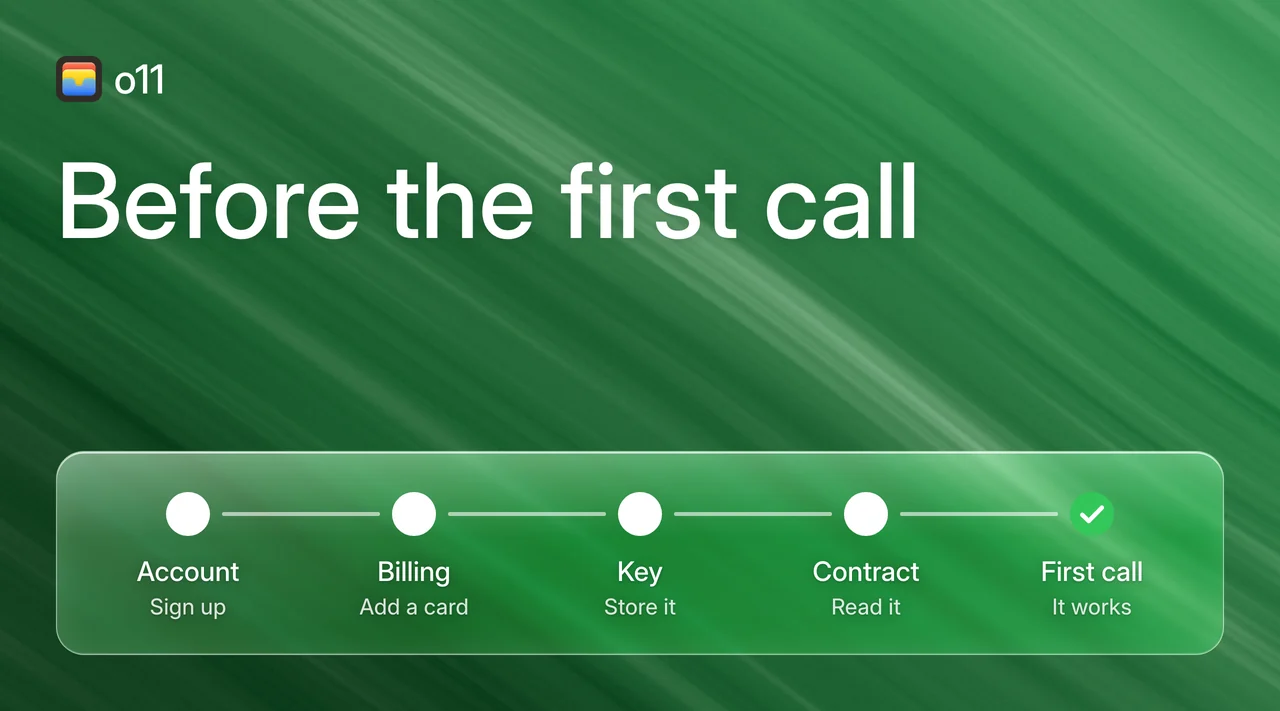
Measure the hidden setup cost of another agent API, from accounts and credentials to error handling, maintenance, and a verified useful result.
Calculate when pay-per-use tools cost less than an API subscription using usage scenarios, allowances, overages, setup work, and accepted outputs.
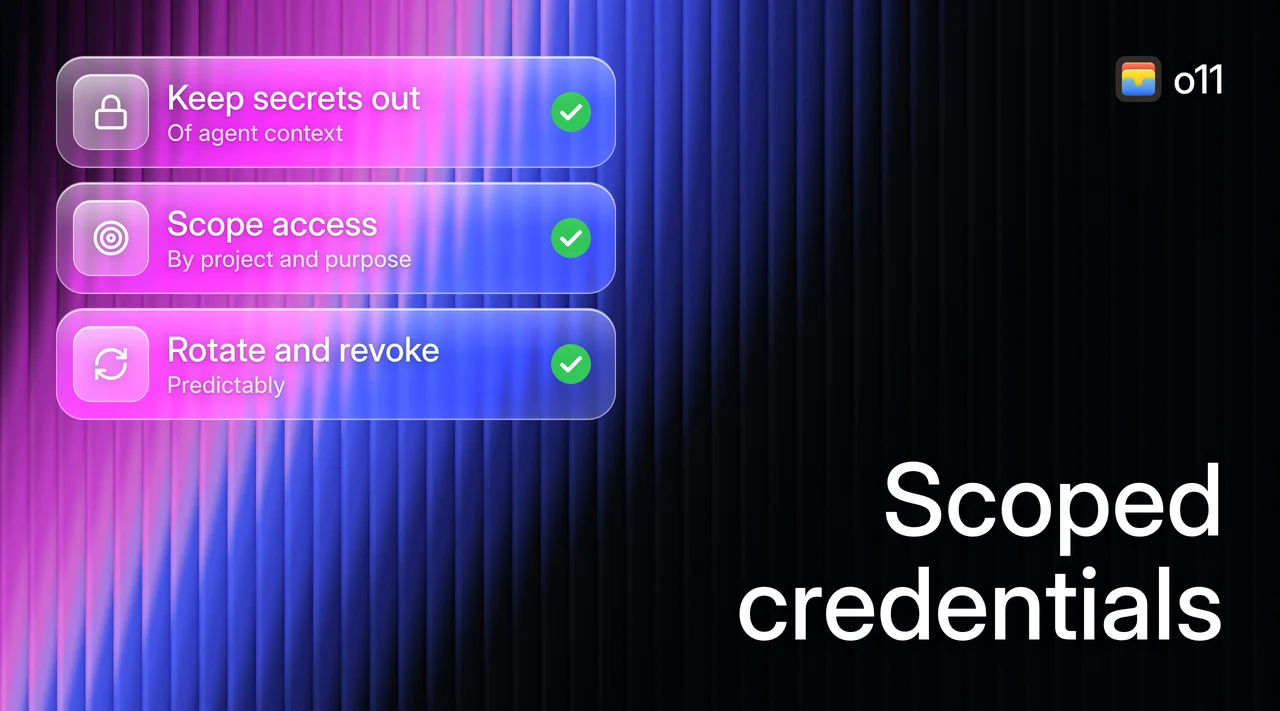
Manage provider credentials across agent projects with clear ownership, scoped connections, safe rotation, revocation, and preserved spending history.
Estimate multi-tool agent costs from task graphs, billing units, conditional calls, retries, fixed commitments, and the cost per accepted result.
Avoid idle API subscriptions with a project inventory, commercial stop rules, usage review, renewal decisions, and a safe account retirement path.
Design faster agent-tool onboarding from targeted discovery through account choice and authorization to a verified useful result and safe recovery.
Recover agent tool failures by classifying errors, checking existing calls, bounding retries, preserving partial results, and reconciling uncertainty.
Set agent spending limits with task allowances, card budgets, atomic reservations, verified settlement, and recoverable approval or uncertainty paths.
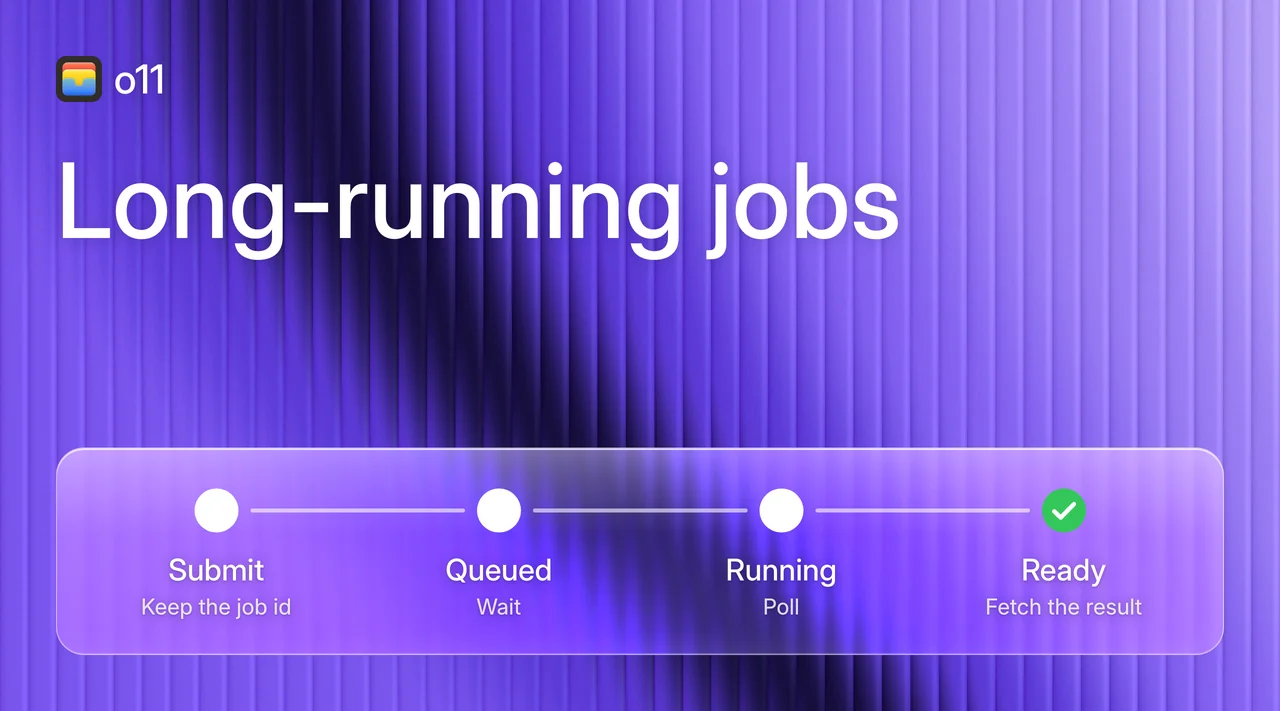
Handle long-running image and video jobs by submitting once, persisting identity, observing completion, validating files, and resuming safely.
Choose an agent tool set by mapping useful outcomes to capabilities, inspecting contracts, scoping authority, and evaluating representative tasks.
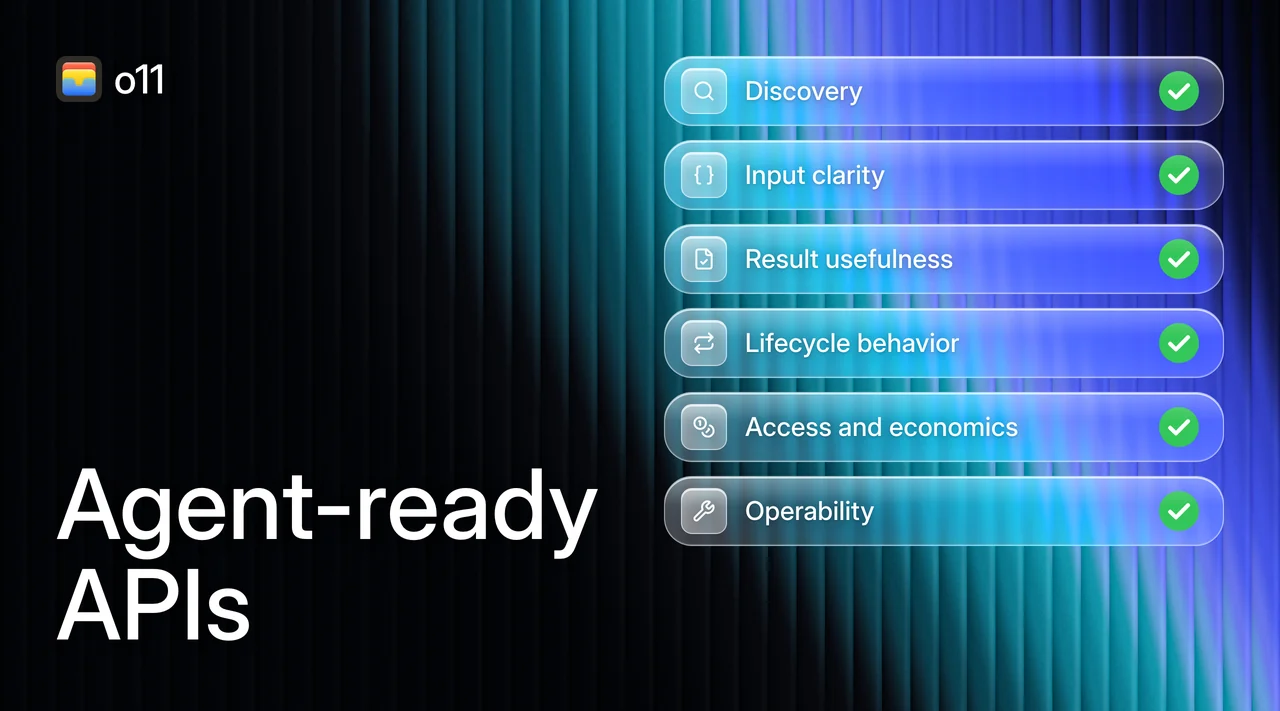
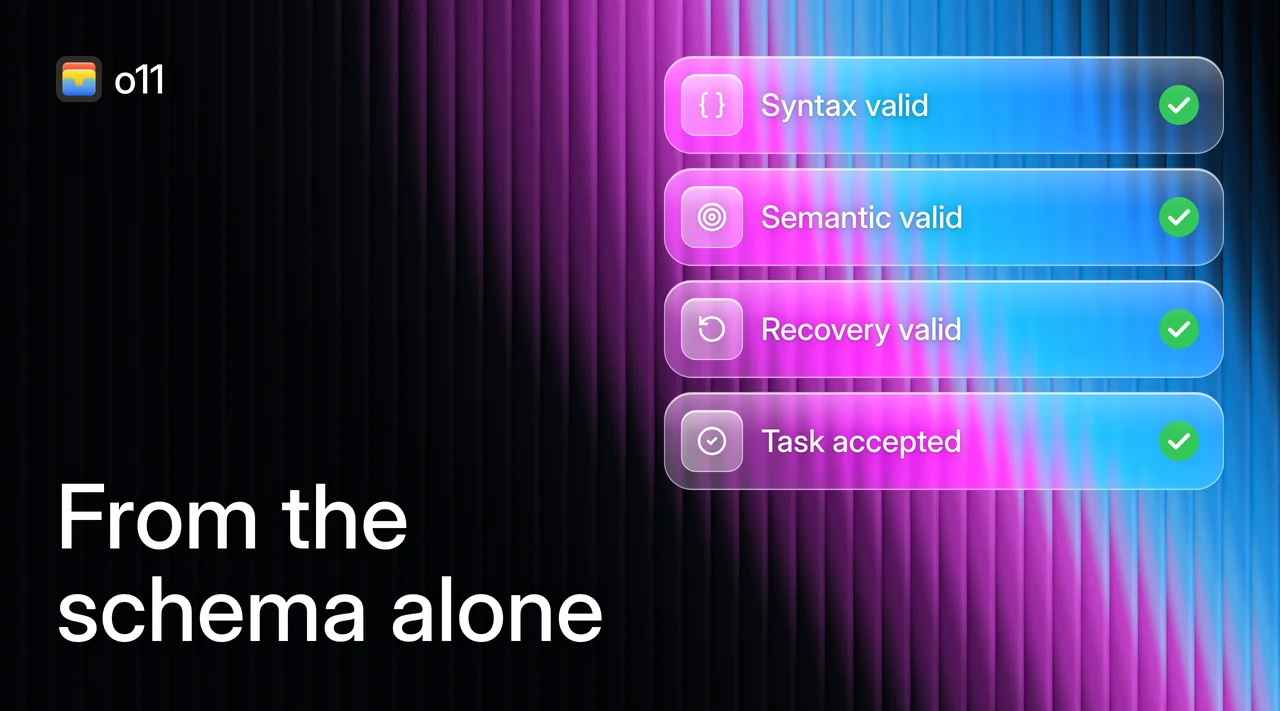
Evaluate an API operation for agent use with evidence levels, task fixtures, semantic usability, useful results, and recoverable execution.
Measure agent tool setup fairly with clean and configured conditions, event timelines, intervention logs, completion rates, and accepted outputs.
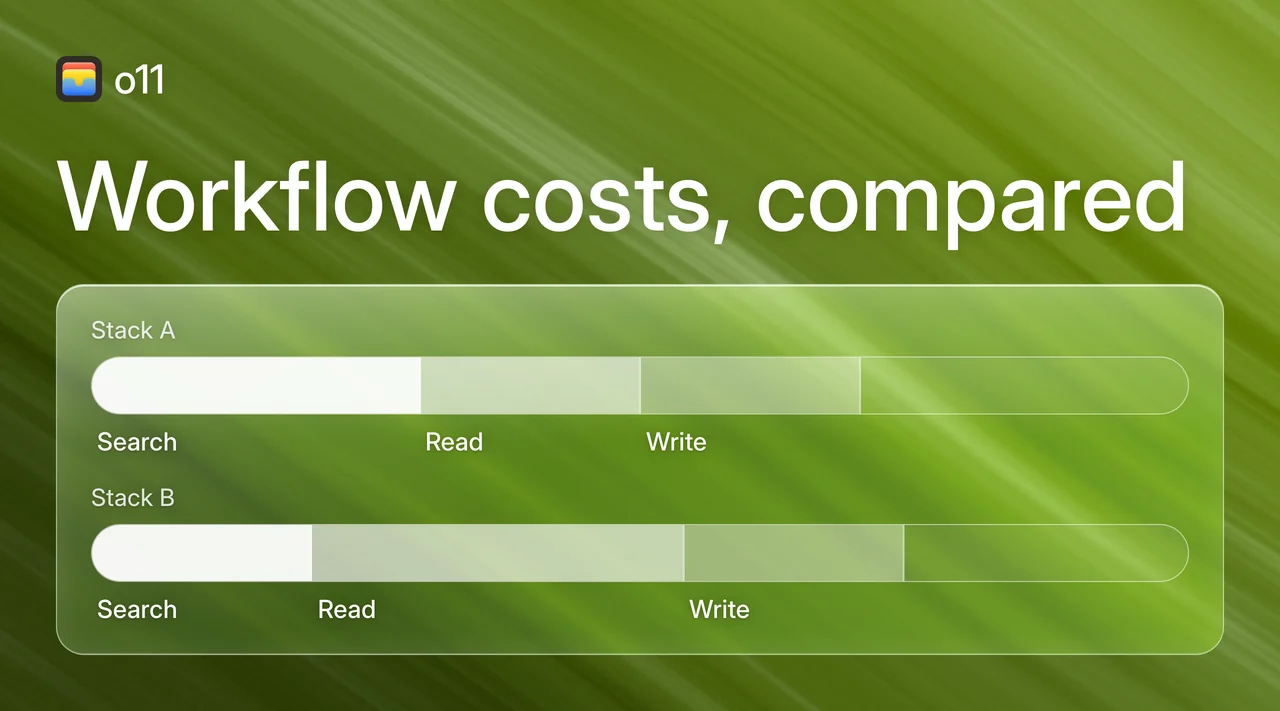
Compare research stacks by accepted briefs, complete consumption ledgers, setup and correction effort, commitments, and matched quality review.
Test whether agents can use unfamiliar tools with controlled contracts, semantic fixtures, separate stage scores, and auditable traces.
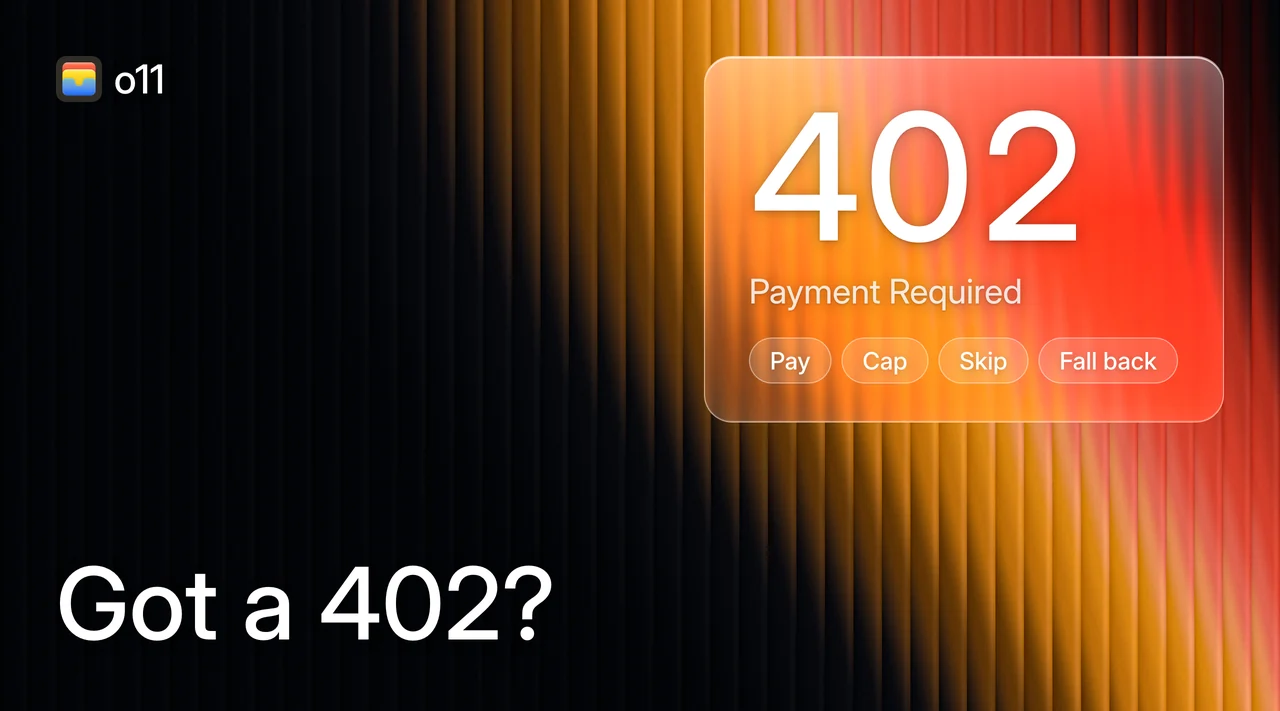
Recognize x402, MPP, and pay per crawl 402s, decide whether to pay, cap, skip, or fall back, and log a receipt for every paid request.
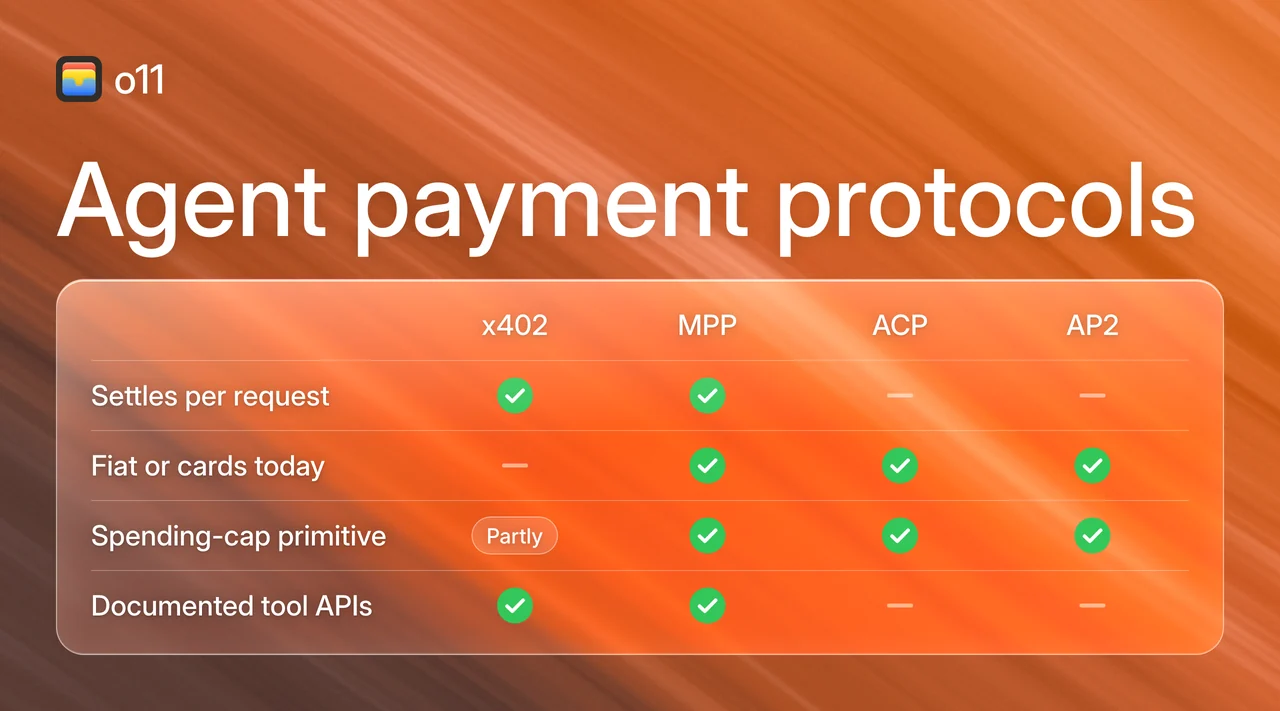
Sort x402, MPP, ACP and AP2 by layer, see which ones a tool-calling agent touches, and compare settlement, fiat support and spending caps.
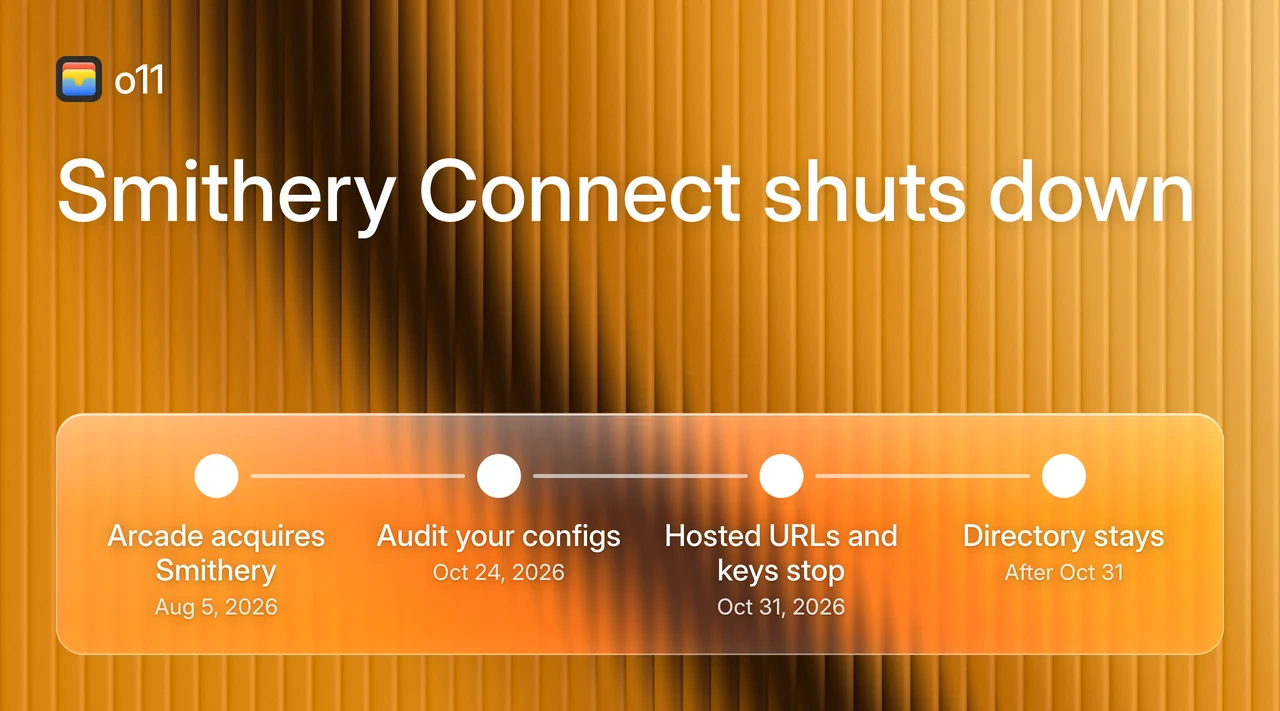
What stops on October 31, 2026, commands to find run.tools and server.smithery.ai URLs in Claude Code, Cursor, VS Code and Codex, and three replacements.
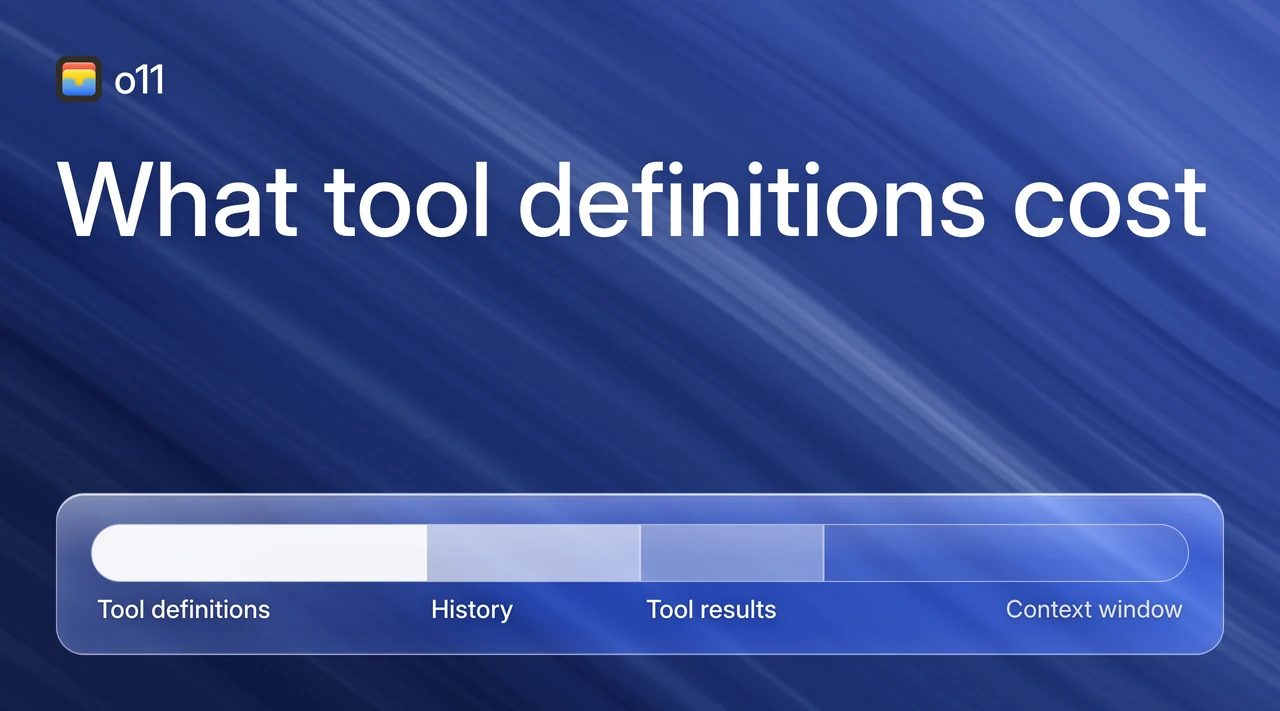
A reproducible method and Bun script to count MCP tool definition and result tokens, compare tool search on and off, and estimate cost per 1,000 turns.
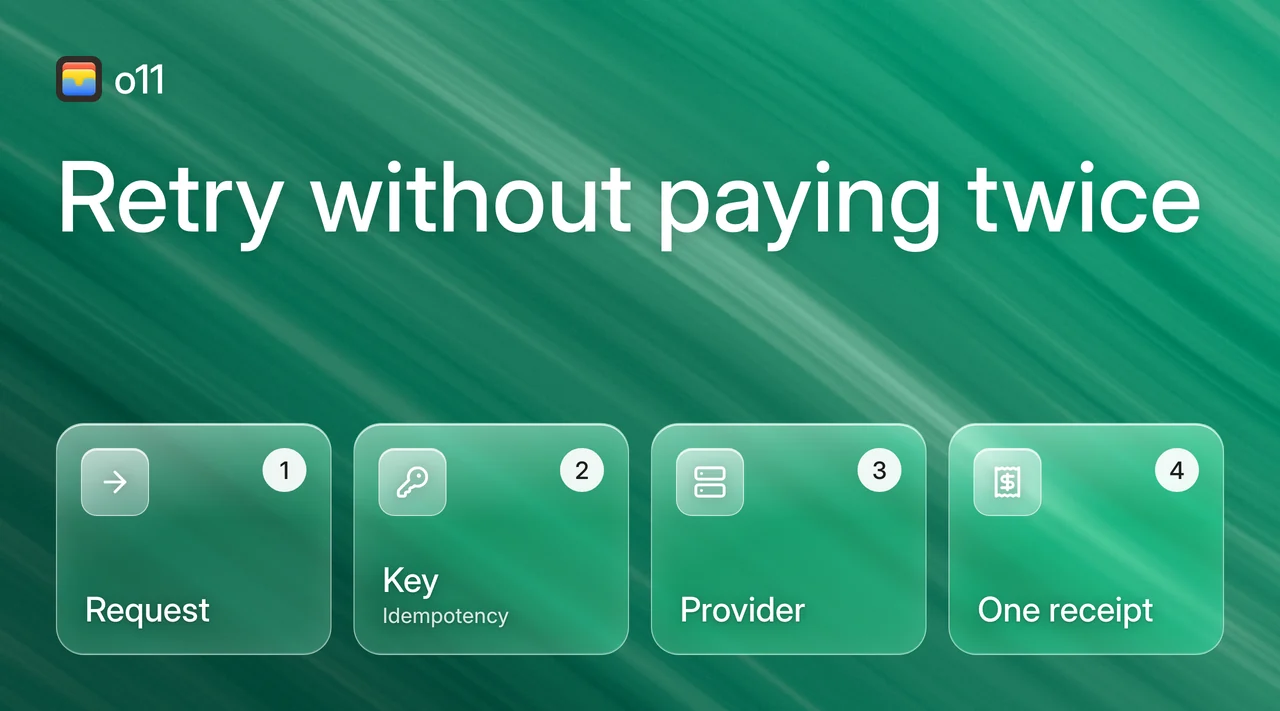
How to retry paid agent tool calls safely: MCP annotations, idempotency keys, async job dedupe, charge reconciliation, and a local drop test.
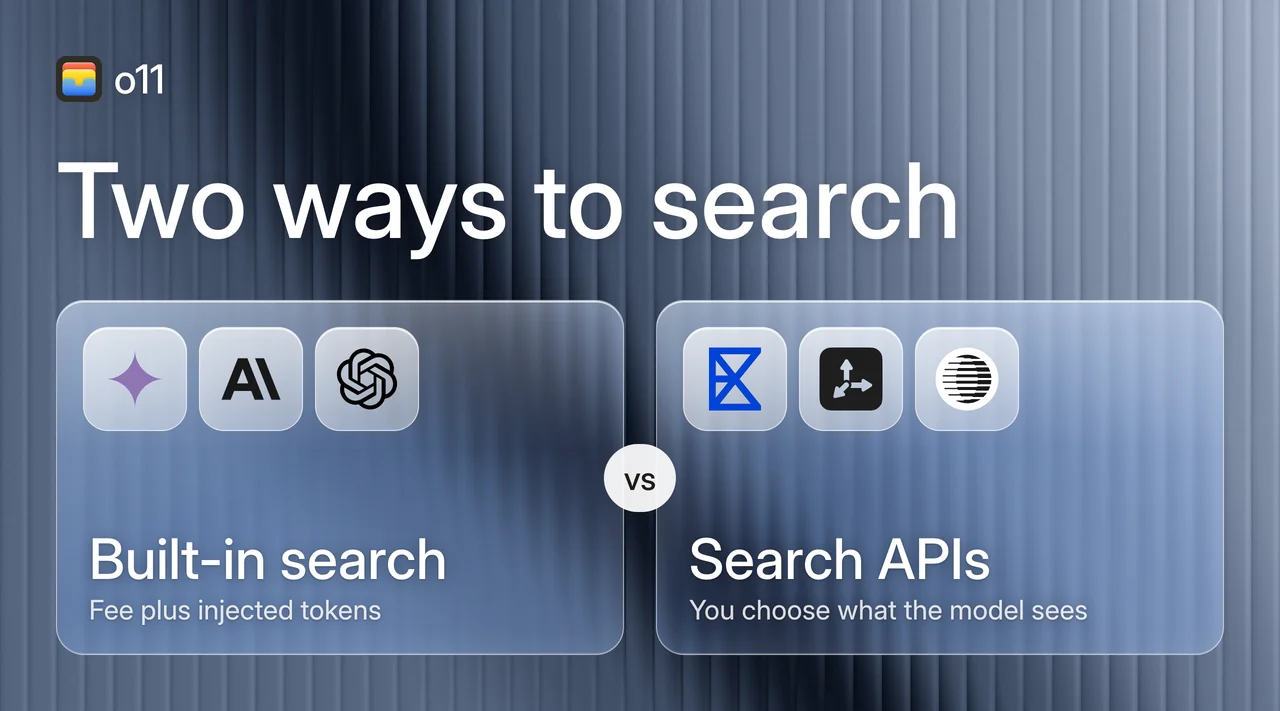
Compare Anthropic, OpenAI, and Gemini web search tools with Exa, Tavily, and Parallel on documented pricing and behavior, plus a reproducible evaluation method.
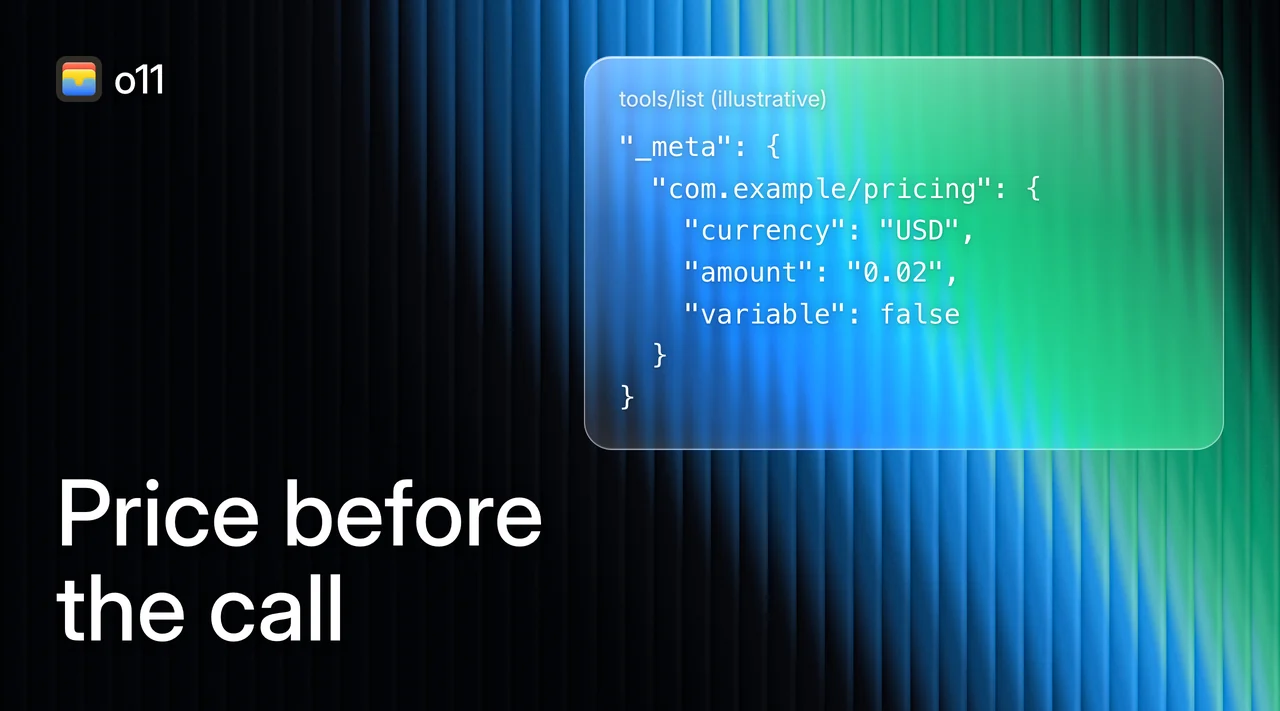
MCP has no standard price field. See the conventions in use, an illustrative _meta price block, and three ways to budget before a paid call.
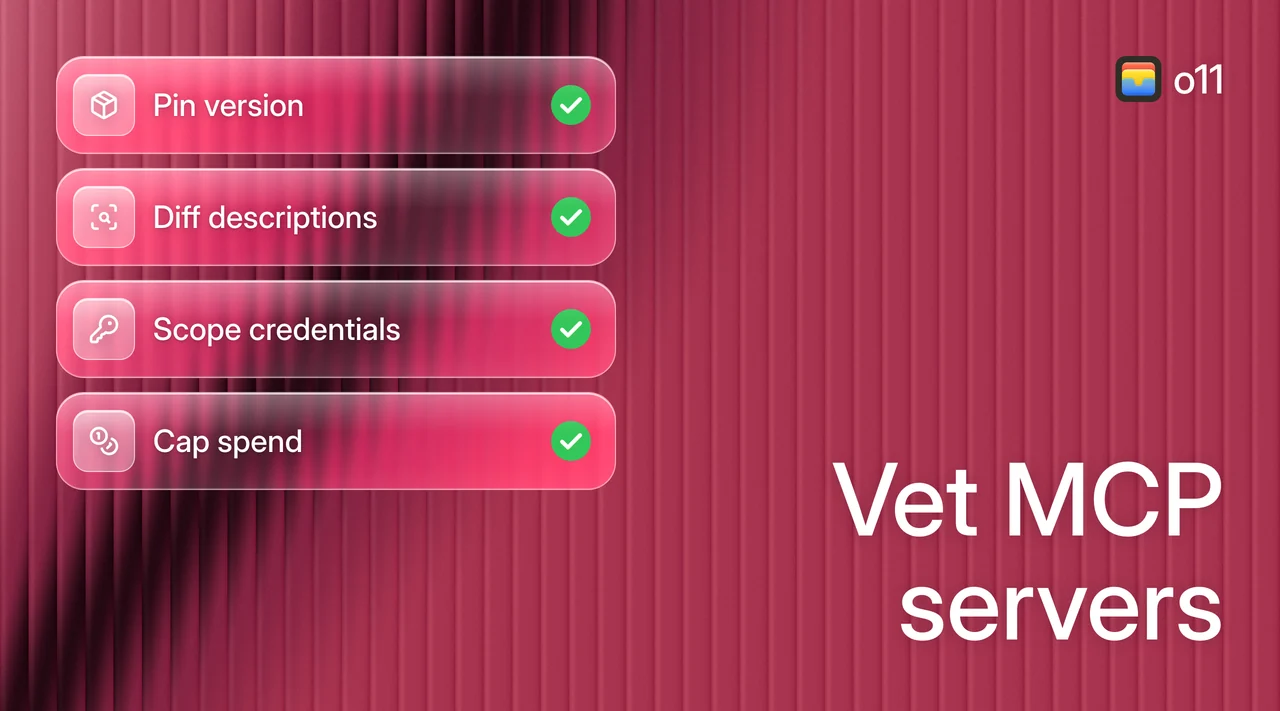
A copyable pre-install and update checklist for third-party MCP servers, mapped to named CVEs and the NSA's 2026 MCP guidance, with spend controls.
The Sora API shut down September 24, 2026. Map Sora requests to Veo, Gemini Omni Flash, Kling, and Seedance, and make the next switch a config change.
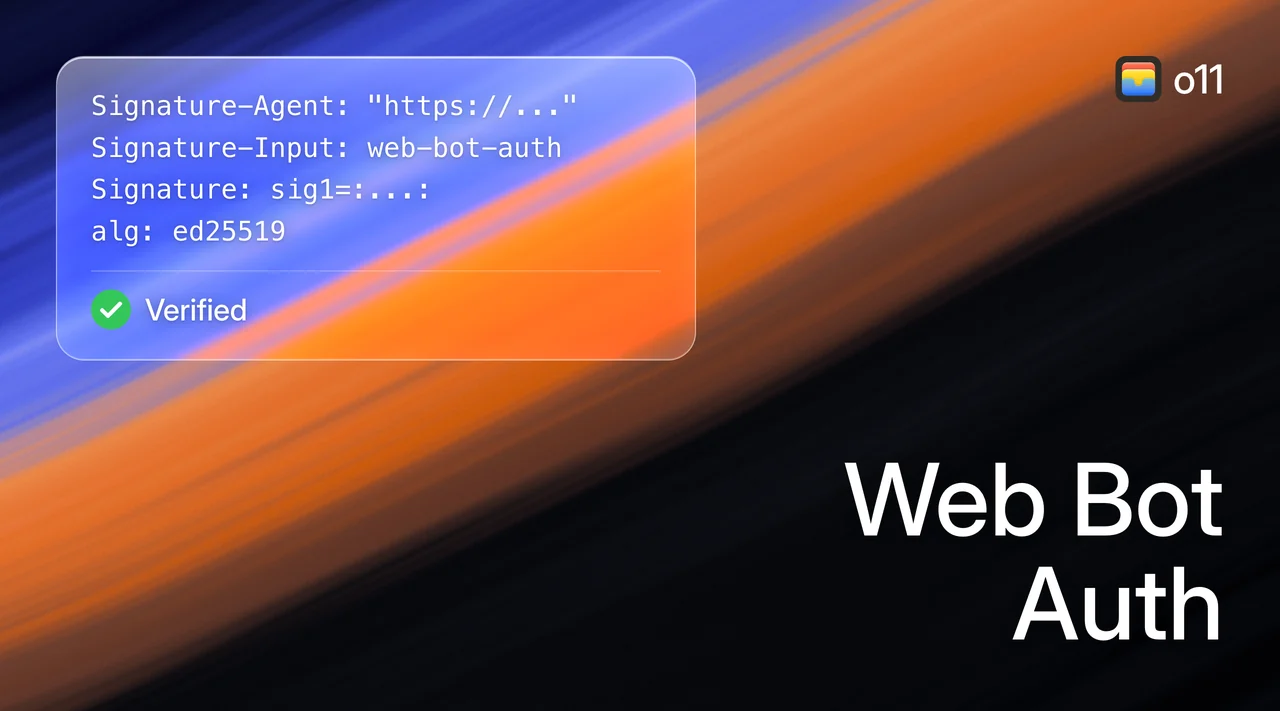
Sign agent requests for Web Bot Auth in TypeScript with WebCrypto Ed25519, host a signed key directory, and know which header format Cloudflare verifies.